Japanese Oil Massage for Women
Japanese Oil Massage for Women
Rediscover your body's natural rhythm with time-honored Japanese massage traditions — blending gentle flowing techniques, therapeutic oils, and feminine care into one deeply restorative ritual.
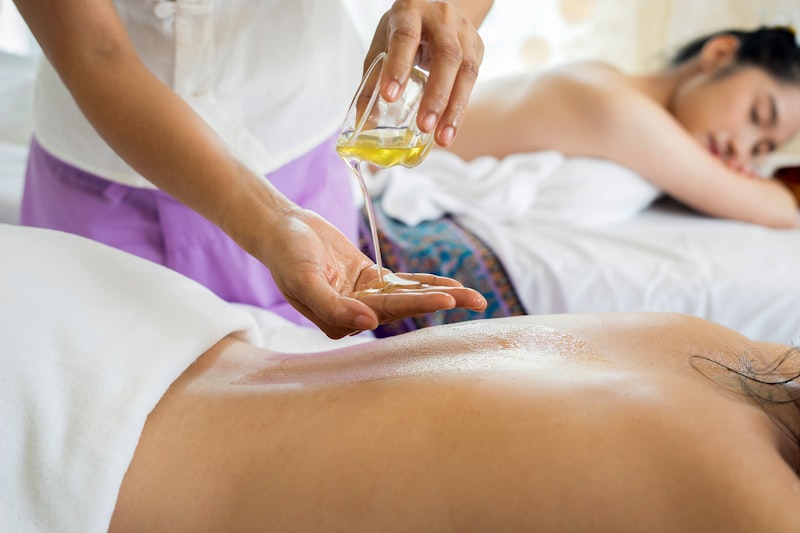
What Is Japanese Oil Massage?
Japanese oil massage — known in traditional circles as Abura Anma — is a refined therapeutic practice that traces its roots to Edo-period Japan (17th–19th century). Drawing from both Chinese meridian theory and Japanese kata (form-based) movement, this modality was carefully adapted over centuries to honour the body's natural flow of energy, or ki.
Unlike deep-tissue massage, Japanese oil massage focuses on long, unhurried strokes applied along the body's energy channels, combined with warm botanical oils that have been used in Japanese beauty rituals for generations. The practice is gentle, intentional, and deeply holistic — treating the whole woman: body, mind, and spirit.
In modern wellness contexts, Japanese oil massage for women has been refined to address the unique physiological and emotional needs of the female body — from hormonal fluctuations and chronic tension to skin health and emotional wellbeing. It is beloved in Japan's premium onsen (hot spring) spas and is now gaining recognition worldwide as a deeply restorative feminine wellness ritual.
Benefits of Japanese Oil Massage for Women
Regular Japanese oil massage offers a wide spectrum of wellness benefits tailored to the female body. Here is what you can expect from a consistent practice:
Deep Stress Relief
The slow, deliberate strokes of Japanese massage activate the parasympathetic nervous system, melting away tension accumulated in the neck, shoulders, and lower back — areas where women most commonly carry stress.
Hormonal Support
Gentle abdominal and sacral massage techniques may support healthy circulation in the reproductive area, helping to ease discomfort associated with the menstrual cycle and promote a sense of inner balance.
Muscle Relaxation
Long effleurage strokes warm and soften tight muscle groups, reducing chronic stiffness in the legs, hips, and back. This can support better posture and greater ease of movement in everyday life.
Skin Nourishment
Japanese botanical oils — particularly camellia and sesame — are rich in antioxidants and essential fatty acids. When massaged in, they deeply moisturise and help restore the skin's natural luminosity and suppleness.
Improved Circulation
The flowing, rhythmic strokes encourage healthy lymphatic drainage and blood circulation, helping to reduce puffiness, support detoxification, and leave skin with a healthy natural glow.
Emotional Wellbeing
Intentional, caring touch is a powerful emotional regulator. Many women report feeling more grounded, calmer, and emotionally restored after a Japanese oil massage session — an effect that often lasts for days.
Ready to experience these benefits for yourself?
Book Your SessionCore Techniques Used in Japanese Oil Massage
Each Japanese oil massage session combines several complementary techniques, layered thoughtfully to create a complete therapeutic experience.
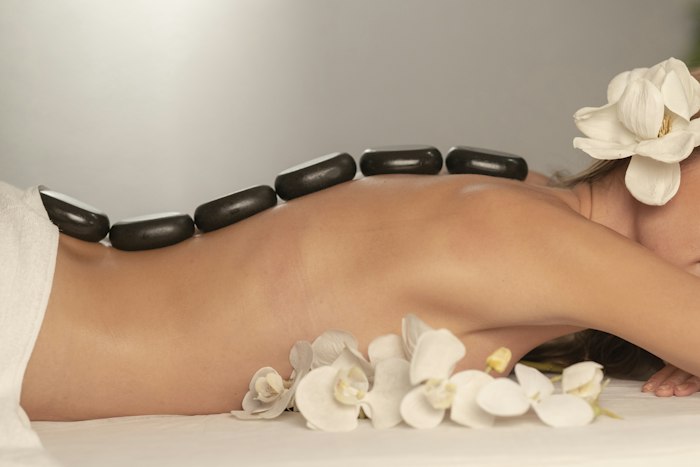
Nagashi — Flowing Strokes
The cornerstone of Japanese oil massage, nagashi (flowing) strokes use the full palm to glide along the body's meridian pathways. These long, continuous movements warm the tissues, encourage circulation, and create an immediate sense of melting relaxation. The therapist maintains constant, reassuring contact, adjusting pressure to suit each woman's comfort.

Kaori — Aromatherapy Oils
Japanese massage traditions place great importance on scent as a pathway to emotional healing. Kaori (fragrance) therapy uses carefully selected botanical oils — such as yuzu, camellia, lavender, and ylang-ylang — whose molecules travel directly to the brain's limbic system, promoting deep calm, uplifted mood, and heightened body awareness during the session.
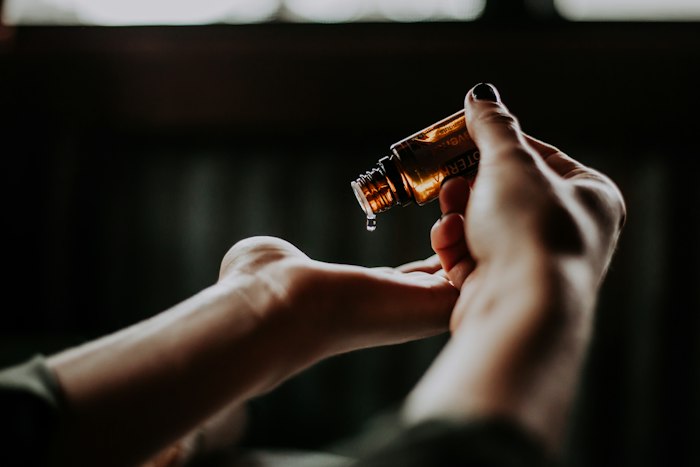
Atsuryoku — Pressure Therapy
Drawing from traditional shiatsu principles, atsuryoku applies sustained, focused pressure to specific tsubo (acupressure points) along the body's energy channels. For women, these often include points along the inner leg, sacrum, and shoulder blades — areas known in Japanese bodywork to correspond with hormonal balance and emotional release.
Best Oils for Japanese Massage — Women's Guide
Choosing the right oil is essential to your Japanese massage experience. Each oil carries unique properties suited to different wellness goals and skin types.
| Oil | Origin | Key Benefits | Best For | Skin Type | Rating |
|---|---|---|---|---|---|
| 🌺 Camellia Oil | Japan (Tsubaki) | Deep hydration, anti-aging antioxidants, lightweight absorption | Facial massage, skin luminosity, dry areas | All skin types, especially sensitive | ★★★★★ |
| 💜 Lavender Oil | France / Japan | Stress relief, sleep support, anti-inflammatory properties | Relaxation massage, tension headaches, evening rituals | Normal to sensitive skin | ★★★★★ |
| 🌸 Ylang-Ylang Oil | Southeast Asia | Mood-lifting, circulation support, rich floral fragrance | Hormonal support, romantic rituals, emotional balance | Normal to oily skin (dilute well) | ★★★★☆ |
| 🌾 Sesame Oil | Japan / India | Natural warming effect, high vitamin E, deeply nourishing | Body massage, joint areas, Ayurvedic-Japanese fusion | Normal to dry skin | ★★★★☆ |
| 🍊 Yuzu Oil | Japan | Brightening, energising citrus aroma, high Vitamin C | Morning rituals, brightening dull skin, energy boost | All skin types | ★★★★★ |
* Always dilute pure essential oils in a carrier oil (1–3%) before massage. Perform a patch test 24 hours before full-body use.
At-Home vs. Professional Japanese Oil Massage
Both approaches offer genuine wellness benefits. The right choice depends on your goals, budget, and how deeply you wish to engage with the practice.
🏯 Professional Treatment
- ✔ Performed by a trained therapist with anatomical knowledge
- ✔ Access to professional-grade equipment and oils
- ✔ Customised pressure and technique for your specific needs
- ✔ Full-body sessions covering hard-to-reach areas
- ✔ A truly immersive, distraction-free environment
- ✔ Ideal for addressing chronic tension or hormonal concerns
- ✗ Higher cost per session
- ✗ Requires booking and travel
🏡 At-Home Ritual
- ✔ Complete privacy and comfort in your own space
- ✔ Available any time that suits your schedule
- ✔ Lower ongoing cost once you have your oils
- ✔ Excellent for daily self-care and skin maintenance
- ✔ Builds body awareness and mindful self-connection
- ✗ Requires learning proper techniques
- ✗ Cannot easily reach certain areas of the back
- ✗ Lacks the depth of a trained professional's touch
Our recommendation: Begin with a professional session, then complement with an at-home ritual.
Book a SessionFrequently Asked Questions
Experience the Art of Japanese Oil Massage
Gift yourself the restoration your body deserves. Our skilled therapists blend authentic Japanese technique with the finest botanical oils, creating a profoundly feminine and restorative experience tailored entirely to you.
Book Your Session Now🛒 Shop our recommended Japanese massage oils → Explore the Collection
About the Author